
Data exists. Clarity does not.
Millions undergo blood tests every year, yet most people don't truly understand their results. Reports are clinical, complex, and disconnected from daily life.
Complex Reports
Traditional lab reports are designed for doctors, not for you.
Reactive, Not Proactive
Most testing happens only after symptoms appear, missing early signals.
Disconnected Data
Single test results don't show the full picture of your health trends.

One Score. Four Pillars.
Your health, simplified into a single number.
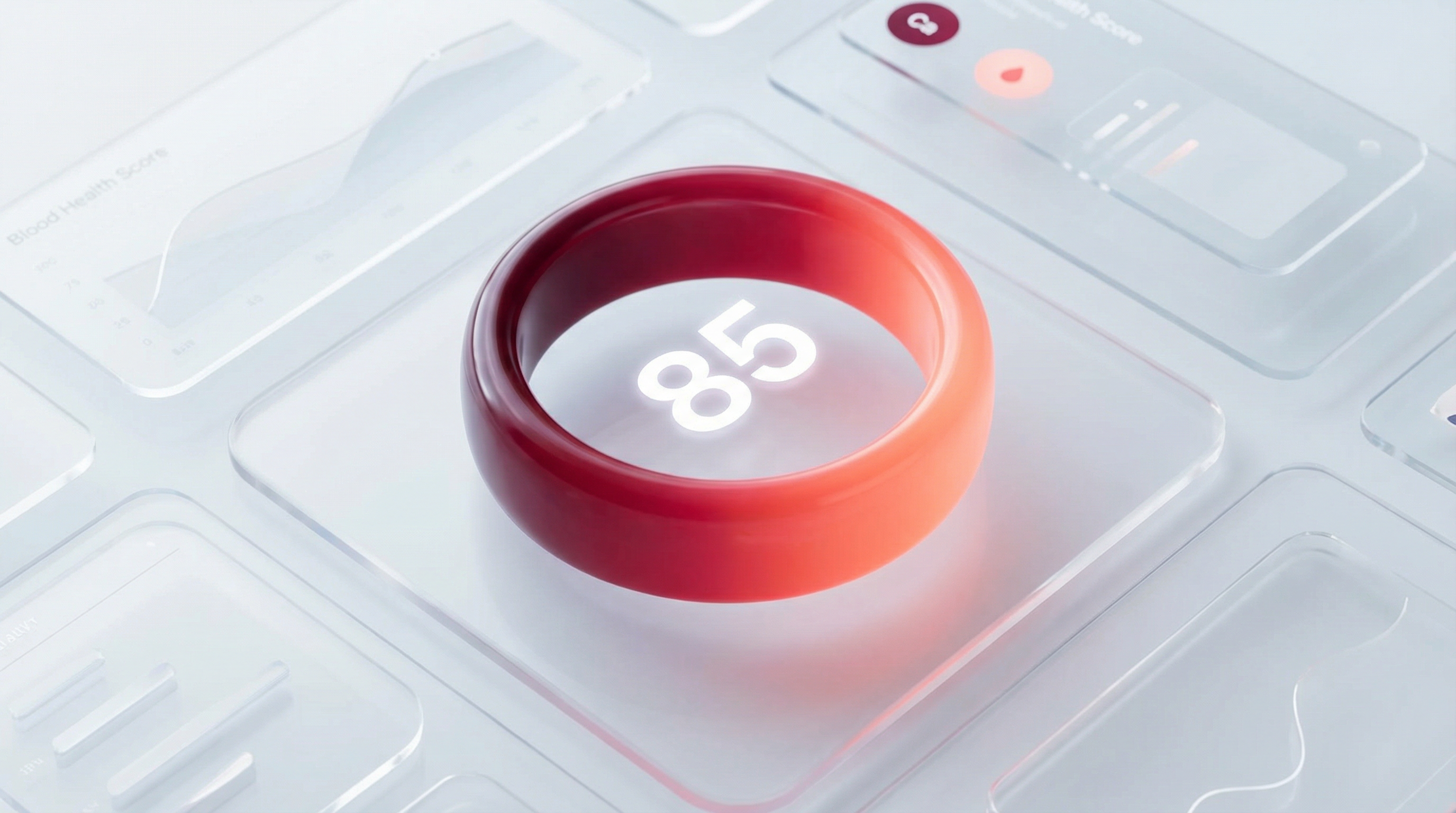
The Healthier Blood™ Score
We translate complex clinical data into a single 0-100 score, reflecting the balance across four key areas of your health.
Comprehensive Panel
Designed to give a broad picture of blood health and detect early imbalance signals.
Complete Blood Count (CBC)
Ferritin
Folate
Vitamin B12
Vitamin D
C-Reactive Protein (CRP)
Creatinine
Understanding Your Score
See how a Healthier Blood™ report translates data into actionable insights.
Sarah, 34
Office Manager • Moderate Activity
Analysis: Why 65?
Sarah's score indicates a "Needs Attention" status. While her Oxygen & Energy levels are stable, her Sugar Balance and Internal Stress Signals (CRP) are slightly elevated. This suggests early signs of metabolic stress, likely due to sedentary work habits and irregular meal timings, even though she isn't clinically "sick."
Personalized Suggestions
Move After Meals
A 10-minute walk after lunch to help regulate sugar spikes.
Boost Magnesium
Add leafy greens or nuts to support stress recovery.
Hydration Focus
Increase water intake to support kidney function (Creatinine).
Retest in 90 Days
Track progress to aim for a score of 80+.
Common Questions About Blood Health
Clear answers. Simple language.
Is your blood healthy?
Blood health is not about how you feel today alone. Many imbalances develop quietly. The only reliable way to know is through a preventive blood check that looks at how well your blood supports energy, nutrients, and internal balance.
What Is Blood Health?
Blood health refers to how well your blood supports your body’s daily needs—such as carrying oxygen, delivering nutrients, and maintaining internal balance.
When blood health is well supported, the body functions more efficiently. When it is out of balance, early signals often appear long before symptoms are felt.
Is Blood an Organ?
Yes. Blood is considered a vital organ. It works continuously to:
- Transport oxygen and nutrients
- Remove waste products
- Support immunity and internal balance
Because it touches every part of the body, small changes in blood health can have wide effects.
What Is Anemia?
Anemia is a condition where the blood’s ability to carry oxygen is reduced.
It is commonly linked to low iron levels or low red blood cell support and may affect energy, focus, and physical endurance.
Anemia is one of the most common blood-related conditions worldwide and is often detectable early through routine blood tests.
Find a Lab Near You
Locate participating Healthier Blood medical laboratories in your area and take the first step toward understanding your blood health.
This will show independent medical laboratories participating in the Healthier Blood initiative near your location.
Availability may vary by location. Participating laboratories manage their own services and appointments.